Every skydiver knows a secret that non-jumpers do not: some of the best moments come after the canopy opens, when the roar drops away and you float, and then when your feet finally touch down and it is time to celebrate. The rush is the point, but the landing is the reward.
Bordeaux is the ultimate landing. After a life spent chasing altitude and adrenaline, there is real pleasure in coming fully down to earth in the world’s most famous wine region, where the pace is slow, the châteaux are grand, and the reward in your glass has been 40 years in the making. It is the grounded, celebratory flip side of the same coin that makes facing your fear at the door of the plane so addictive. And for anyone who genuinely cannot stay out of the sky, you can still get airborne here, floating over the vines in a hot-air balloon at dawn.
The catch is that Bordeaux is enormous, and its regions make very different wines. Which tour is right depends entirely on your taste and how deep you want to go.
A few things separate a great day from a forgettable one. A knowledgeable guide turns a tasting into an education. Small groups beat the 40-person coaches. And crucially, do not drive yourself, because France’s strict limit and four to six tasting wines a day do not mix. Book a tour with a driver instead. Here are the best ways to experience it, ranked.
1. Compare and Book It All in One Place
Bordeaux has half-day and full-day tours, private and small-group options, e-bike routes, and balloon flights, spread across five major appellations and countless operators. Sorting that from home, and telling a good small-group tour from a 40-person cattle run, is hard. Bordeaux Wine Tours is a platform built around this destination, so instead of guessing you get the options laid out clearly by region, group size, and what each includes.
The value is that it matches the tour to your palate and helps you avoid the classic mistakes, like driving yourself or booking a region that does not suit your taste. You can weigh a Médoc prestige day against a charming Saint-Émilion village visit, and pick a reputable operator with proper château access.
You can compare Bordeaux wine tours here and sort your itinerary before you arrive, which matters given how spread out the appellations are.
Best for anyone who wants the right tour without the guesswork. If you already know your region, book it directly.
2. The Grand Names: The Médoc
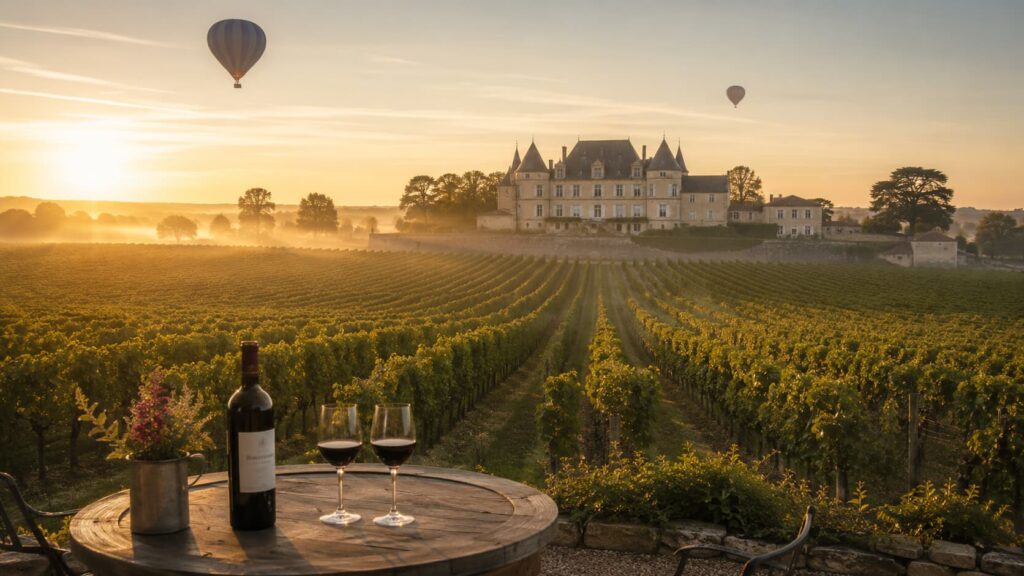
This is Bordeaux at its most prestigious. The Médoc, on the Left Bank of the Gironde, is home to the legendary Route des Châteaux and the 1855 classified growths, names like Margaux, Pauillac, and Saint-Julien that collectors chase worldwide. The wines here are Cabernet Sauvignon-dominant, structured, and built to age for decades.
A tour takes you through grand estates with manicured gardens and cellars stacked with barrels, where you taste the kind of wines most people only read about. It is the region for anyone who wants the full grand-cru experience.
The trade-off is that the grandest estates can feel formal, and the very top names require advance private appointments. This is prestige, not casual.
Best for serious red-wine lovers who want the famous names and age-worthy classics.
3. The Storybook Village: Saint-Émilion
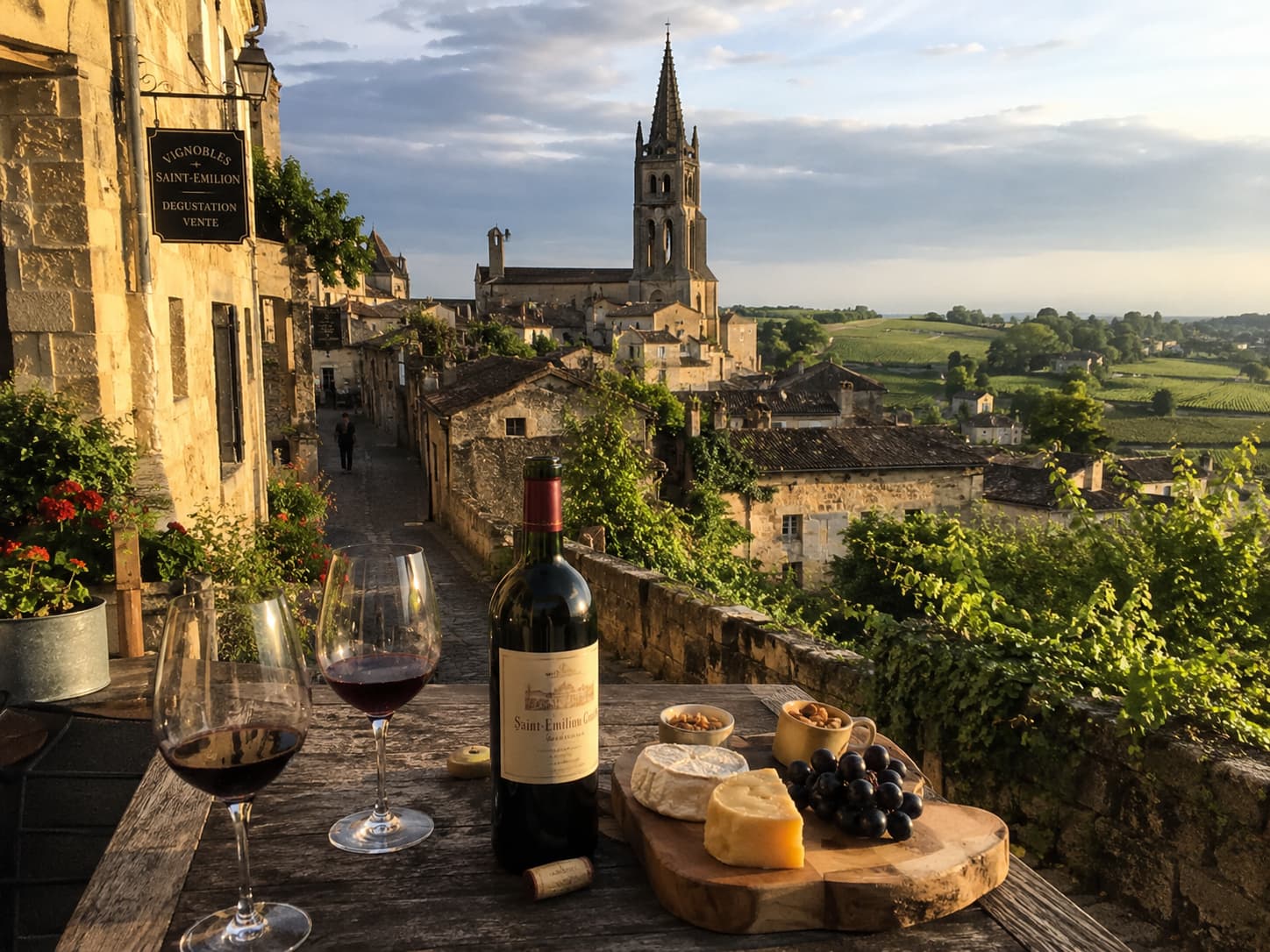
If the Médoc is grand, Saint-Émilion is charming. About an hour from Bordeaux on the Right Bank, this medieval village is a UNESCO World Heritage site, a cluster of honey-colored stone streets surrounded by 5,500 hectares of vineyards. The wines are Merlot-dominant, softer and rounder than the Médoc’s, and the cellars here are extraordinary, some carved right into the limestone beneath the village.
You can wander the cobbled lanes, descend into monolithic rock cellars, and taste in intimate family châteaux. It is reachable by train and walkable once there, which also solves the driving problem neatly.
It gets busy in peak season, and the sheer number of small producers can be overwhelming, which is where a guide earns their keep.
Best for travelers who want beauty, history, and approachable wines in one gorgeous package.
4. The Sweet Side: Sauternes and Graves
For something different, head south to Sauternes and Graves. Sauternes produces one of the world’s great dessert wines, a golden, honeyed nectar made from grapes touched by noble rot, sublime paired with foie gras or blue cheese. Neighboring Graves and Pessac-Léognan turn out both structured reds and crisp dry whites from Sauvignon and Sémillon.
This is the region for the curious and the foodie, the one that shows how much range Bordeaux really has, from bone-dry whites to lusciously sweet. The wine-and-food pairings here are a highlight in themselves.
Sweet wine is not for everyone, and these areas see fewer tours, so you may want a private or specialist trip.
Best for adventurous palates and food lovers who want to taste beyond the classic reds.
5. From the City to the Sky
Not every day needs a long drive. Bordeaux itself is a UNESCO-listed city and a wine destination in its own right, with La Cité du Vin, an outstanding modern wine museum, plus wine bars and tastings across the elegant Chartrons district. It is the perfect base and a great rainy-day option.
And here is the one for anyone who misses the sky: several operators run hot-air balloon flights over the vineyards, drifting silently above the châteaux and rows of vines at sunrise. If you love the feeling of free flight, this is the gentlest, most beautiful version of it, with a glass waiting when you land.
The balloon rides are weather-dependent and pricier, and the city tastings are more introduction than deep dive.
Best for travelers who want a relaxed base, plus anyone who cannot resist one more trip into the air.
A Few Practical Things Before You Go
Do not drive yourself. France’s blood-alcohol limit is strict, and with several tasting wines across the day it is simply not workable. Take a guided tour with a driver, or choose Saint-Émilion, which you can reach by train and explore on foot.
Time it thoughtfully. Late spring through autumn is ideal. Harvest, roughly September into October, is atmospheric, but be aware that many leading estates suspend their tours during the vendanges, so book ahead and confirm your château is open.
Go small-group or private if you can, because some budget tours pack in up to 40 people. Book château visits in advance, since the best ones require appointments. For background, the Cité du Vin museum site is a great primer, and UNESCO’s page on Saint-Émilion is worth a read before you visit. Both pair well with any related travel guides already on the site.
Choosing the Right One for You
Bordeaux rewards travelers who match the region to their taste.
Start by comparing your options through Bordeaux Wine Tours so you land on the right appellation and a good operator. Want the famous names and age-worthy reds, go to the Médoc. Want charm, history, and softer wines, choose Saint-Émilion. Curious about sweet wines and food pairings, explore Sauternes and Graves. Want a relaxed base, or one more flight, stay in the city and take a balloon over the vines.
However you do it, this is the soft landing every thrill-seeker earns eventually. After a lifetime of chasing the rush, few rewards beat a great glass of Bordeaux with your feet firmly, happily on the ground.
Author note: recommendations here are based on Bordeaux’s established regions and reputable tour operators. Prices, harvest dates, and château access change year to year, so confirm the current details before you book.